1. Plumbing Emergency Basics
Preparing before a problem happens is the most useful step. These points come from public safety guidance; sources are listed at the bottom of this page.
Know Where Your Main Water Valve Is
Ready.gov advises finding the shutoff valve where the main water line enters your house, tagging it, and making sure everyone in the household knows where it is. It is not the street valve at the curb, which needs a special tool.
Make Sure It Closes Fully
Ready.gov notes a valve can be rusted open or fail to close all the way, and says to replace it if so. Valve replacement is a job for a licensed plumber.
Stay Clear of Electrical and Gas Hazards
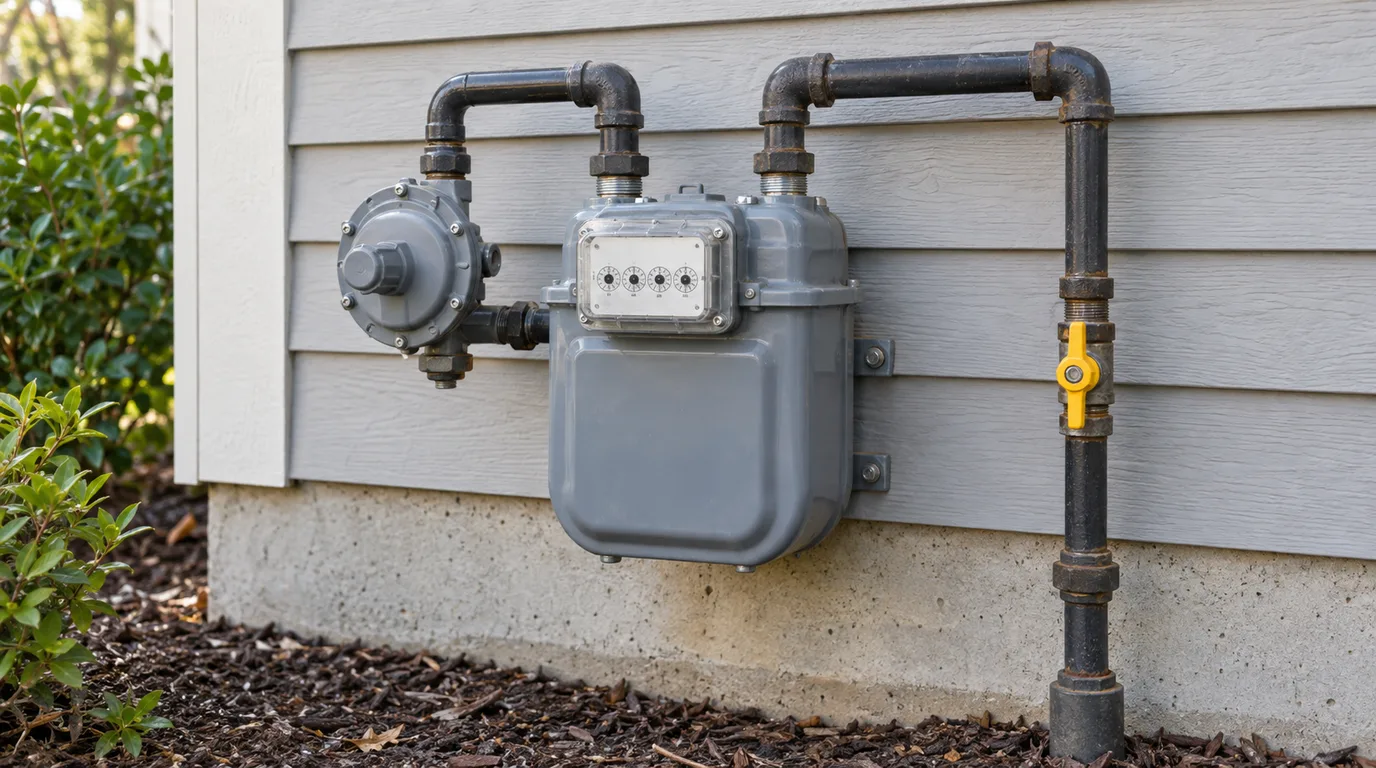
If water is near outlets, panels or appliances, stay away and have an electrician check them before use (ESFI). If you smell gas, leave and call 911 from a safe distance (PHMSA). Do not try gas or electrical repairs yourself.
Hire a Licensed Plumber
Shutting off water stops the flow but does not fix the cause. Hire a licensed plumber and ask for the scope and price in writing before work starts. This preview does not connect you to a plumber.
2. Comprehensive Residential Plumbing Infrastructure & Diagnostic Guide
Modern residential plumbing systems rely on complex closed-loop supply networks and gravity-fed drain-waste-vent (DWV) systems. Understanding how pressurized supply lines interact with drain lines and venting stacks enables quick diagnosis during unexpected system failures.
EPA WaterSense says water pressure of 45 to 60 psi is best for most homes, and that a pressure-regulating valve may be used to hold it there. Aging pipes can corrode or develop leaks over time; a plumber can inspect and explain the options.
Common Diagnostic Tools
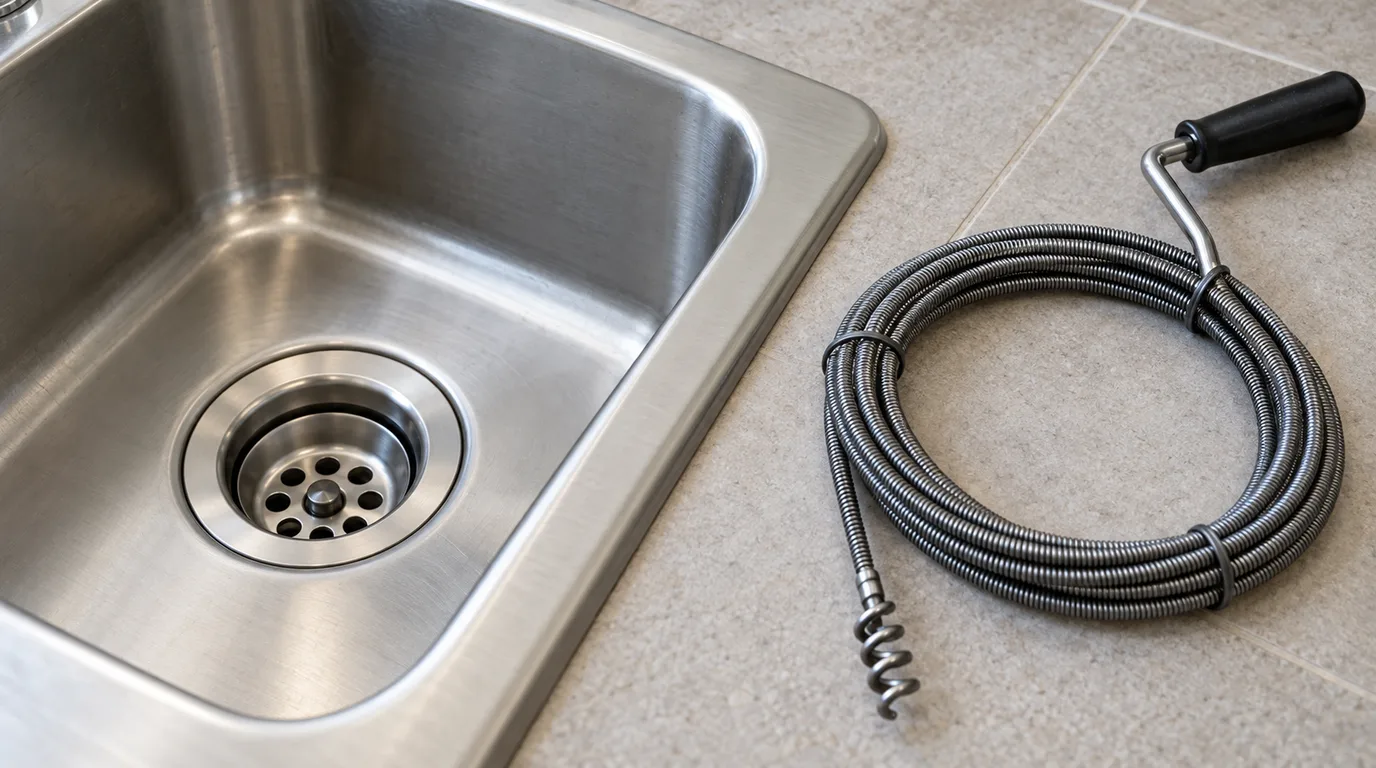
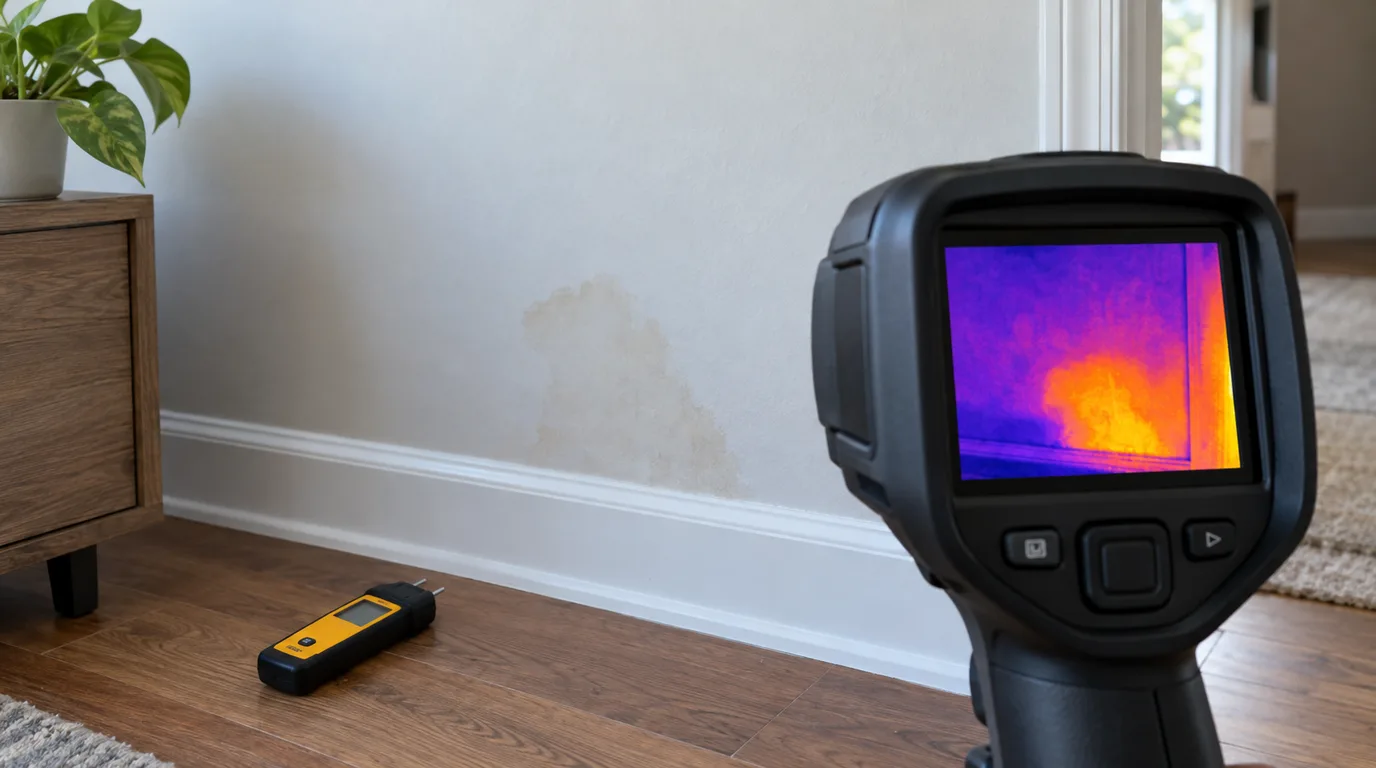
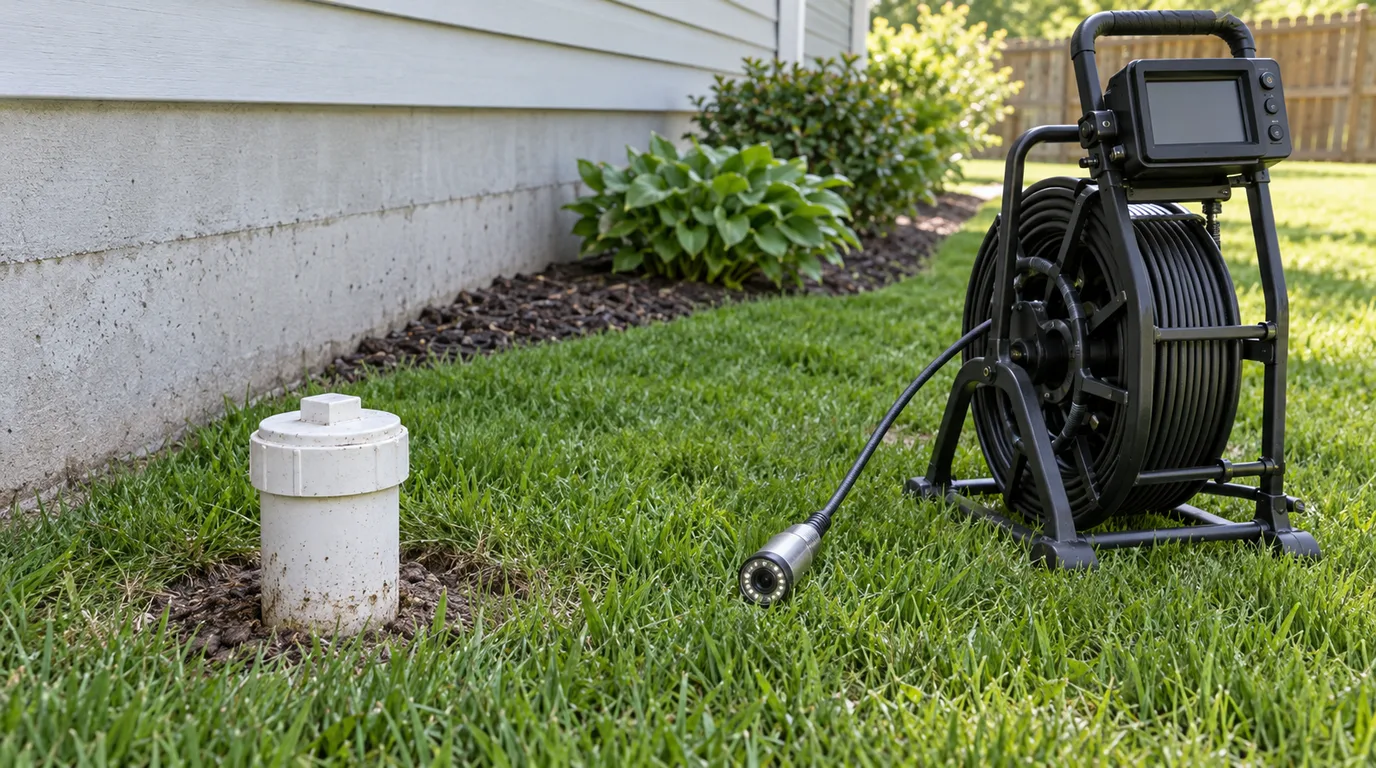
Some plumbers use sewer cameras, acoustic leak detectors, and thermal cameras to find problems without opening walls. Availability varies by plumber, so ask what they use.
Sources: Ready.gov · ESFI · PHMSA · EPA WaterSense
3. Commercial & Industrial Plumbing Referral Solutions
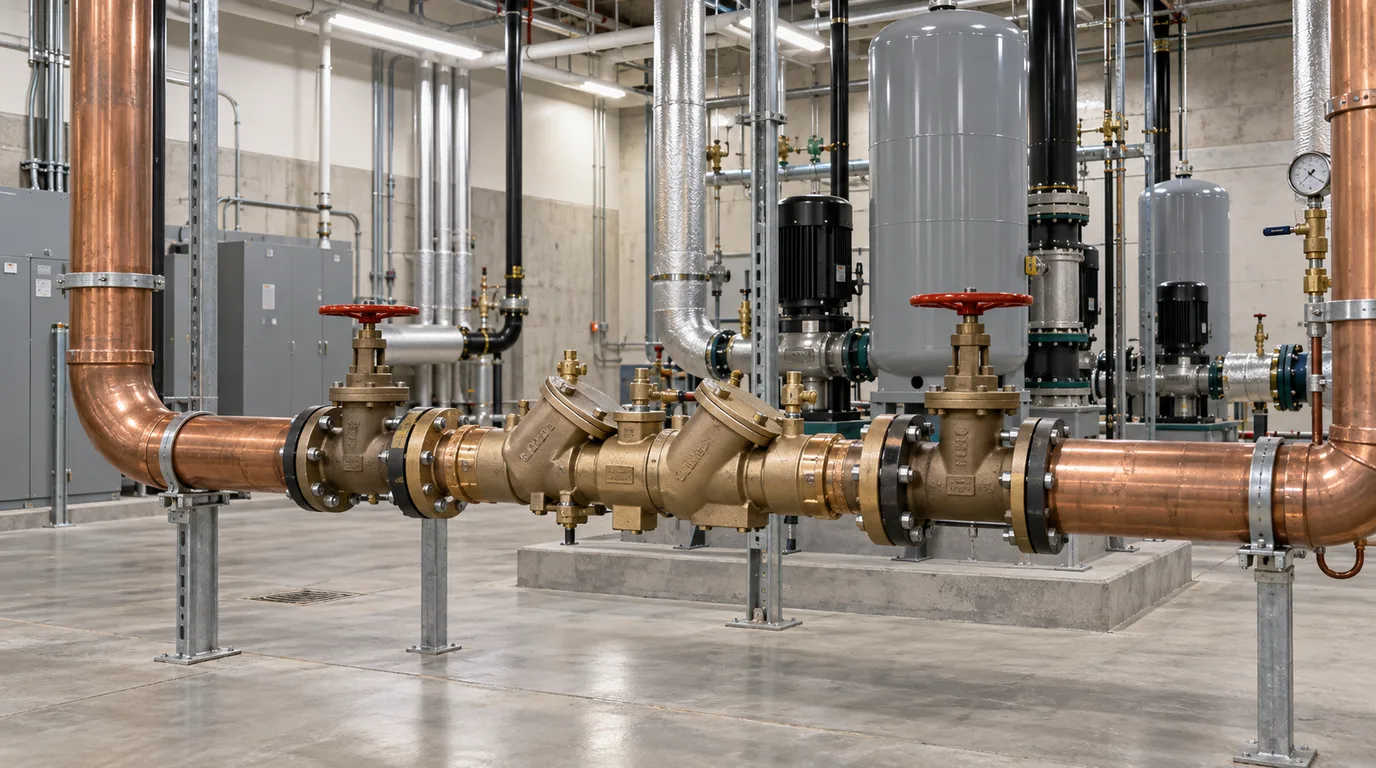
Commercial facilities, corporate office parks, food service establishments, and multi-family residential complexes face stringent municipal health codes and operational demands. A single backed-up grease interceptor or failed backflow preventer can result in immediate health department citations or costly business downtime.
Commercial plumbing work such as grease traps, backflow preventers, and commercial water heaters is usually handled by plumbers who specialize in it. Facility managers should ask for written documentation and billing terms before work begins.
4. Pricing
Emergency plumbing costs vary by problem, location and time of day. Ask any plumber for a written estimate before work starts.
5. Interactive guide FAQ System
Q1 How fast can a plumber get to my house? ▼
Q2 Should I check a plumber's licensing and insurance? ▼
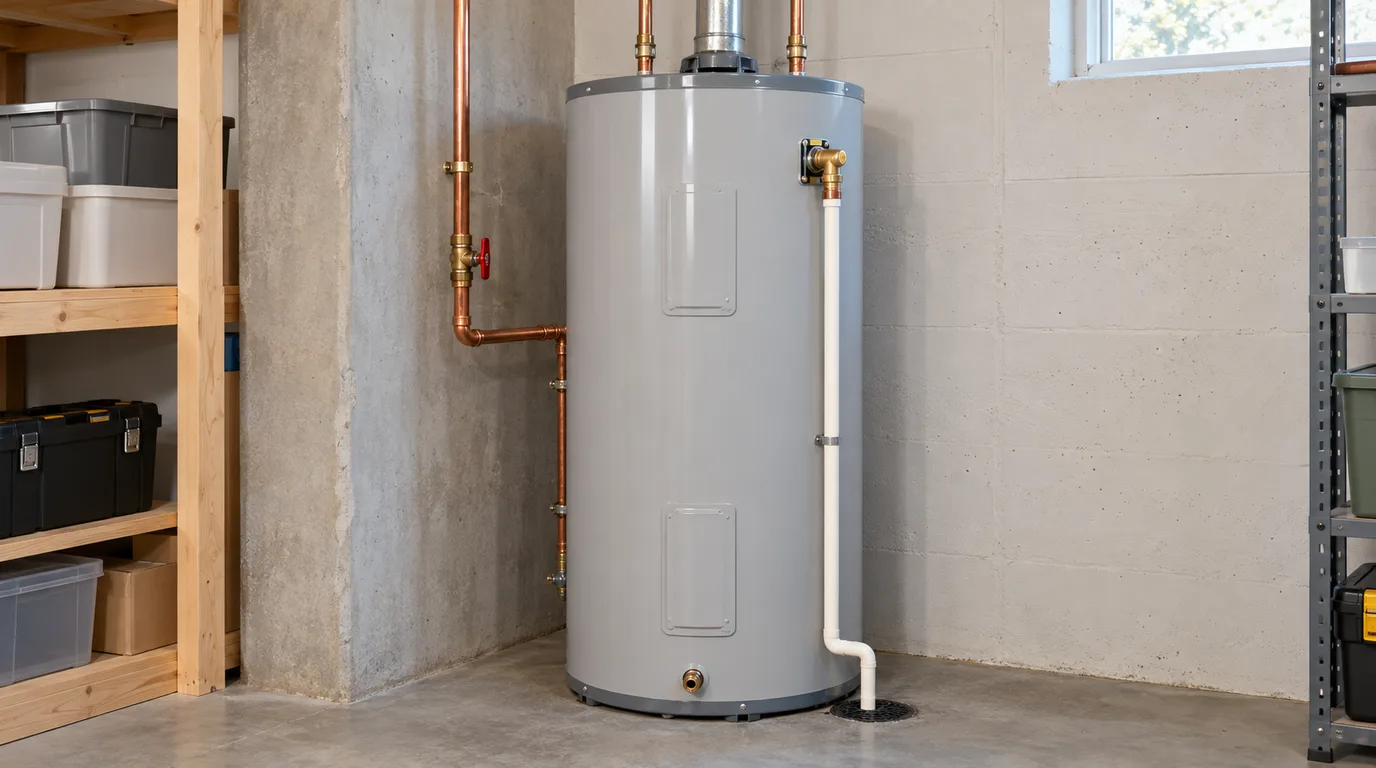
Q3 What should I do about a leaking water heater? ▼
Q4 What is hydro jetting? ▼
Q5 How does your written pricing work for emergency calls? ▼
Q6 Are gas line plumbing services available 24 hours a day? ▼
6. 51-State & Top Metro Emergency Referral Network
Hour Plumber maintains complete coverage across all 50 states plus the District of Columbia. Explore local city hubs and regional plumbing service coverage below:
Arizona (AZ)
2 Cities Covered
California (CA)
9 Cities Covered
Colorado (CO)
2 Cities Covered
District of Columbia (DC)
1 Cities Covered
Florida (FL)
7 Cities Covered
Georgia (GA)
1 Cities Covered
Idaho (ID)
1 Cities Covered
Illinois (IL)
1 Cities Covered
Indiana (IN)
1 Cities Covered
Maryland (MD)
1 Cities Covered
Minnesota (MN)
2 Cities Covered
Missouri (MO)
1 Cities Covered
Nevada (NV)
1 Cities Covered
New York (NY)
4 Cities Covered
North Carolina (NC)
2 Cities Covered
Ohio (OH)
2 Cities Covered
Oklahoma (OK)
1 Cities Covered
Oregon (OR)
1 Cities Covered
Pennsylvania (PA)
1 Cities Covered
Tennessee (TN)
1 Cities Covered
Texas (TX)
6 Cities Covered
Virginia (VA)
1 Cities Covered
Washington (WA)
1 Cities Covered